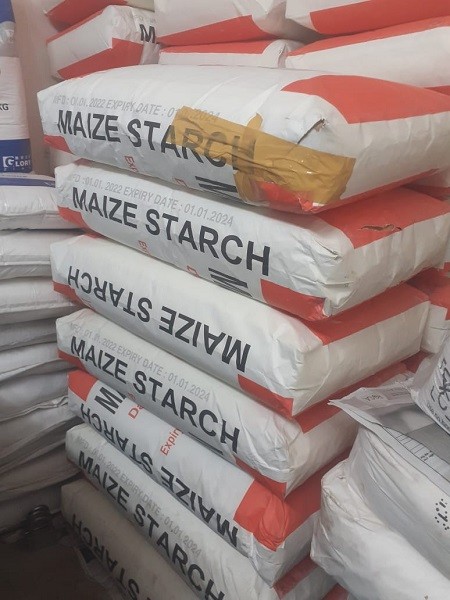
Understanding Maize Starch Powder
Maize starch powder, a versatile and natural ingredient, is derived from the endosperm of corn kernels. It's a complex carbohydrate composed primarily of amylose and amylopectin, two types of starch molecules. This powdery substance has been used for centuries in various industries due to its unique properties.
Properties of Maize Starch Powder
Maize starch powder is renowned for its exceptional thickening, binding, and texturizing capabilities. Its white, odorless, and tasteless nature makes it a preferred choice in numerous applications. The starch granules have a distinct structure, influencing its functional properties.
- Thickening Agent: Maize starch powder excels at thickening liquids, creating smooth and velvety textures in sauces, gravies, and puddings. It forms a stable gel when heated with water, providing a desired consistency.
- Binding Agent: Its adhesive properties make maize starch powder an ideal binding agent in various products. It holds ingredients together, preventing separation and ensuring product integrity.
- Texturizing Agent: By controlling the structure and mouthfeel of food products, maize starch powder plays a crucial role in texturization. It imparts desired qualities like smoothness, chewiness, and crispiness.
Applications of Maize Starch Powder
The versatility of maize starch powder has led to its widespread use across multiple industries.
Food Industry
- Thickening and Sauces: Maize starch powder is an essential ingredient in thickening sauces, gravies, soups, and stews. It provides the desired consistency without affecting the flavor.
- Baking: In baked goods, maize starch powder adds texture and prevents sogginess. It's used in cakes, cookies, pastries, and pie fillings.
- Confectionery: It imparts smoothness and shine to candies, marshmallows, and gum.
- Processed Foods: Maize starch powder stabilizes emulsions, preventing phase separation in products like salad dressings and frozen desserts.
Non-Food Applications
- Papermaking: It enhances paper strength, smoothness, and printability.
- Textiles: Maize starch powder is used as a sizing agent to stiffen fabrics and improve their appearance.
- Pharmaceuticals: It serves as a binder and disintegrant in tablets and capsules.
- Cosmetics: Its thickening and emulsifying properties make it a valuable component in creams, lotions, and makeup.
- Bioplastics: It's a renewable resource for developing biodegradable plastics.
- Natural Origin: Maize starch powder is derived from a natural source, making it a preferred choice for consumers seeking natural ingredients.
- Cost-Effective: It's relatively inexpensive compared to other thickening and binding agents.
- Versatility: Its wide range of applications makes it a valuable ingredient in various industries.
- Food Safety: Maize starch powder is generally recognized as safe (GRAS) by regulatory authorities.
The selection of maize starch powder depends on the specific application and desired properties. Different types of maize starch are available, including native and modified starch.
- Native Maize Starch: Obtained directly from corn, it retains its natural properties.
- Modified (Corn Flour Powde) Maize Starch: Undergoes physical, chemical, or enzymatic modifications to alter its characteristics.
Consider factors like viscosity, gel formation, clarity, and stability when selecting the appropriate maize starch powder.
To use maize starch powder effectively, follow these general guidelines:
- Dispersion: Create a smooth slurry by mixing maize starch powder with a small amount of cold water before adding it to hot liquids.
- Heating: Gradually heat the mixture while stirring continuously to prevent lump formation.
- Cooling: Allow the mixture to cool to achieve the desired texture.
Storage and Handling
Store maize starch powder in a cool, dry place away from moisture and strong odors. It has a long shelf life when stored properly.
Conclusion
Maize starch powder is a remarkable ingredient with diverse applications. Its unique properties, combined with its natural origin and cost-effectiveness, make it a valuable asset in various industries. By understanding its characteristics and proper usage, you can harness the full potential of maize starch powder in your products.